
Published March 16, 2026
Estate Planning 101: Who Gets the House When You’re Gone? (And Other Questions Nobody Wants to Ask)

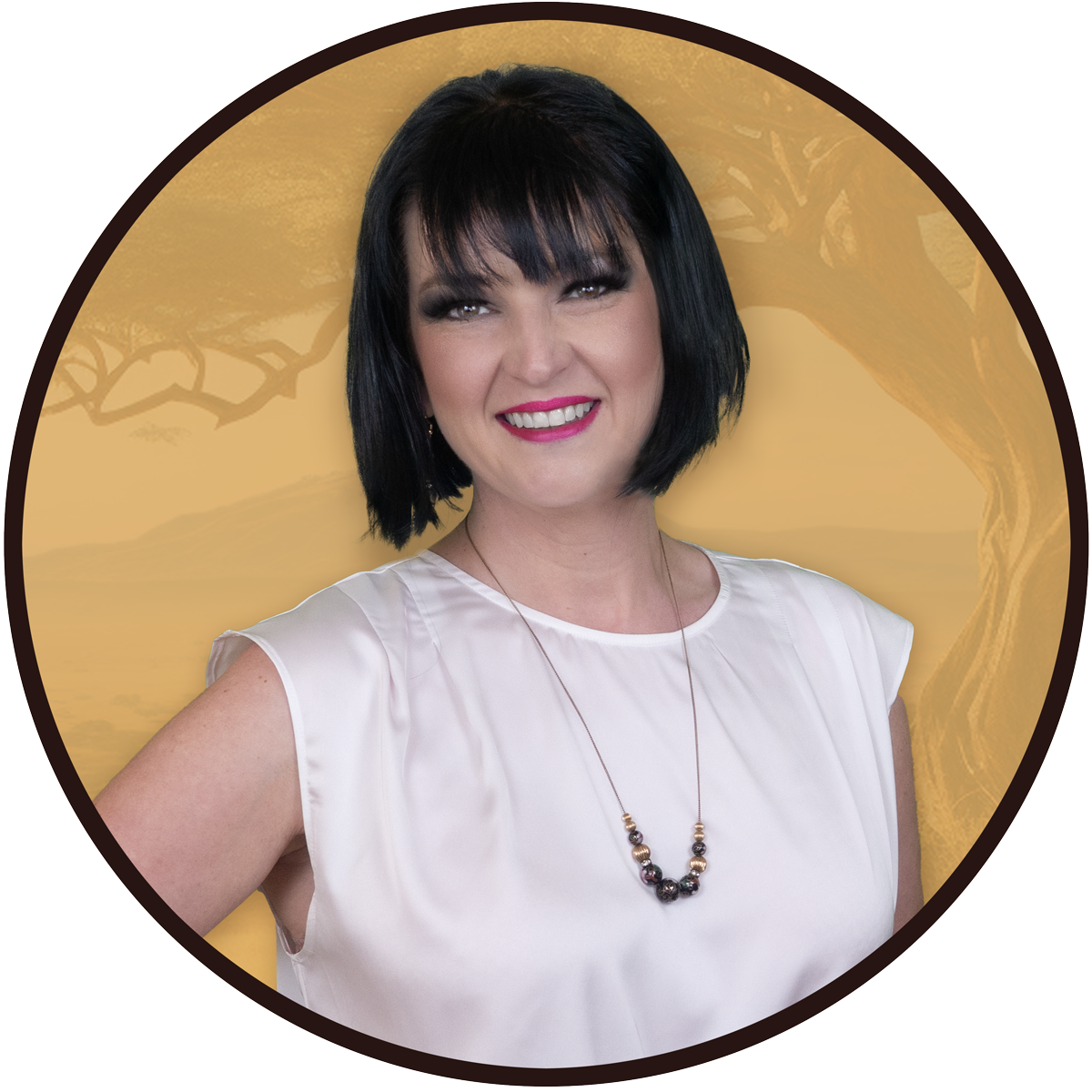
Written by Latasha Billanfante, MOVE Realty, in collaboration with Victoria Leigh, Lion Legal
Let’s start with a reality that most homeowners prefer to ignore: one day, someone else will own your house.
Not because you forgot to make the mortgage payment. Not because of market conditions. Not because Zillow got particularly ambitious.
But because, eventually, every asset you own—including your home—will transfer to someone else.
The real question isn’t if that will happen. It’s how.
And surprisingly, many homeowners don’t realize just how much control they have over that process—or how quickly things can go wrong without a plan.
I recently sat down with estate planning attorney Victoria Leigh of Lion Legal to talk about trusts, probate, and the tools available to homeowners who want to protect their assets and their families. What followed was a conversation that was equal parts enlightening, practical, and occasionally uncomfortable—the kind of uncomfortable that comes from realizing just how much most of us don’t know.
Let’s break it down.
The Trust: Think of It as a Bucket
Victoria explained trusts using one of the simplest—and most effective—analogies I’ve heard. “Think of a trust as a bucket,” she said.
Right now, most people own their assets individually. Their home is in their name. Their bank accounts are in their name. Their vehicles are in their name. Everything is tied directly to them as a person.
That works perfectly fine while they’re alive.
But here’s the problem: a deceased person cannot sign documents.
Which means when someone passes away, there must be a legal mechanism to transfer ownership of their assets to the next person. That mechanism, in many cases, is probate—a court-supervised process that ensures assets are distributed properly.
A trust changes that process.
Instead of transferring individual assets, the assets are placed into the “bucket”—the trust—while the person is alive. When they pass away, control of the bucket is transferred, rather than each individual asset.
The law recognizes this transfer, and in many cases, probate can be avoided entirely.
That’s why trusts are so commonly recommended. They simplify the transition, preserve privacy, and allow for far more detailed control.
But—and this is important—trusts are not the only option.
And contrary to popular belief, not everyone needs one.
Why Trusts Are So Popular (And Why That’s Not Always the Whole Story)
Trusts are heavily recommended by estate planning attorneys for a reason. They are effective, flexible, and powerful.
They’re also relatively straightforward to draft from a legal standpoint.
And yes, they are typically more expensive than other planning tools.
As Victoria candidly explained, “Trusts are pushed very heavily because they are relatively easy to draft and relatively expensive.”
There’s nothing inherently wrong with that. Attorneys provide valuable expertise and deserve to be compensated for their work. But it’s important for homeowners to understand that trusts are one tool among many—not the only solution.
The primary benefits of a revocable family trust fall into two major categories:
- Avoiding probate
- Maintaining control over assets after death
That second point—control—is where trusts truly shine.
Because estate planning isn’t just about who gets your assets.
It’s about how they get them, when they get them, and under what conditions. And sometimes, that distinction matters more than people realize.
Control: The Most Overlooked Benefit
Imagine a parent with a minor child.
If that parent passes away with a life insurance policy, retirement accounts, and a home, those assets cannot simply be handed over to a ten-year-old child. The child lacks the legal capacity to manage them.
Without a trust, the parent would have to name an adult beneficiary and trust—literally trust—that person to manage the assets responsibly for the child’s benefit.
Sometimes that works beautifully.
Sometimes it doesn’t.
A trust allows the parent to appoint a trustee—someone legally obligated to act in the best interest of the child. The trustee has fiduciary duties, meaning they are legally required to manage the assets responsibly and ethically.
The trust can specify exactly how and when the child receives the assets. At age 18. At age 25. After college. In stages.
Or never in a lump sum at all.
Because let’s be honest—very few 18-year-olds suddenly become financial geniuses overnight. Trusts provide structure, oversight, and protection during vulnerable periods.
Protecting Loved Ones Isn’t Always About Age
Trusts are equally valuable when beneficiaries are adults who may still need protection.
This can include individuals with disabilities, mental health challenges, substance abuse histories, or simply those who may be vulnerable to financial exploitation.
In these cases, a trust allows the person creating the plan to provide support while preventing misuse or loss of assets.
It ensures that inheritance serves its intended purpose—supporting loved ones—not creating new risks.
Because unfortunately, inheritance can sometimes attract unwanted attention. And not everyone who shows up afterward has good intentions.
Blended Families: Where Things Get Complicated Quickly
Modern families are complex.
Second marriages. Stepchildren. Separate financial histories.
And without proper planning, unintended consequences can occur.
Consider a married couple where each spouse has children from previous relationships.
Many couples own their home as “tenants by the entirety,” meaning when one spouse dies, the surviving spouse automatically inherits full ownership.
That sounds perfectly logical.
Until the surviving spouse passes away.
Without a clear estate plan, the home may pass only to the surviving spouse’s children—leaving the deceased spouse’s children with nothing.
Not out of malice.
Not out of intent.
Simply because that’s how the law works in the absence of specific instructions.
A properly structured trust can address this scenario directly, ensuring assets are distributed according to the original intent, regardless of which spouse passes away first.
Without that plan, outcomes can depend entirely on timing.
And timing, as we know, is not something anyone controls.
The Other Side: Trusts Aren’t Always Necessary
Despite their benefits, trusts are not mandatory for everyone.
Estate planning is highly individualized. The best approach depends on a person’s assets, family structure, goals, and tolerance for risk.
There are alternative tools available.
Life estates, for example, allow someone to live in a property for the duration of their life, after which ownership transfers to designated heirs.
This can protect a surviving spouse while preserving the inheritance for children. However, life estates can also complicate future property sales or transfers. Adding adult children to property deeds is another option some homeowners consider. But this carries significant risks.
If that child experiences financial trouble, divorce, bankruptcy, or legal judgments, those issues can affect the property.
Even worse, once someone has legal ownership, they may have rights the original owner did not anticipate.
These situations are rare—but they do happen.
And when they do, the consequences can be devastating.
Estate planning isn’t just about avoiding inconvenience.
It’s about preventing irreversible mistakes.
The Hidden Step Most People Miss: Funding the Trust
Creating a trust is only half the process.
Assets must actually be transferred into it.
Victoria described this step perfectly: “You can create the bucket, but it’s not worth anything if you don’t put anything in it.”
Homes must be retitled. Accounts must be updated. Beneficiaries must be reviewed. Without proper funding, a trust may exist on paper while providing none of its intended benefits. This is where professional guidance becomes invaluable.
Because even the best plan doesn’t work if it isn’t implemented correctly.
Estate Planning Isn’t One-and-Done
Life changes.
People marry. Divorce. Have children. Acquire property. Sell property.
Plans should evolve accordingly.
Victoria recommends reviewing estate plans approximately every five years.
Not necessarily hiring an attorney every time—but reviewing beneficiaries, assets, and intentions.
Because a plan written ten years ago may not reflect current reality.
And outdated plans can be nearly as problematic as having no plan at all.
What This Means for Homeowners
As a real estate professional, I see homeowners invest enormous effort into buying, maintaining, and protecting their homes.
But many never address what happens to those homes long-term.
They assume things will “work themselves out.”
Sometimes they do.
Sometimes they don’t.
Estate planning ensures your intentions—not assumptions—guide what happens next.
It protects your family from unnecessary stress, legal complications, and uncertainty during already difficult times.
It ensures your legacy reflects your decisions—not default legal processes. And perhaps most importantly, it gives you peace of mind.
The Bottom Line: Everyone Needs a Plan
Not everyone needs a trust.
But everyone needs a plan.
Whether that plan involves a trust, a will, beneficiary designations, or other legal tools depends entirely on individual circumstances.
The key is making informed decisions.
Understanding the options.
And working with professionals who can guide you through the process.
Because the goal isn’t just transferring assets.
It’s protecting the people you care about most.
Final Thoughts
Buying a home is one of the most significant investments most people will ever make. Estate planning ensures that investment continues to serve your family—even after you’re gone. It’s not about expecting the worst.
It’s about preparing responsibly.
If you have questions about how property ownership interacts with estate planning, I’m always here as a resource. And when legal expertise is needed, professionals like Victoria Leigh at Lion Legal provide invaluable guidance tailored to your specific situation.
Because when it comes to your home—and your family—clarity isn’t optional. It’s essential.