
Published February 23, 2026
Understanding Foundation Concerns in Arkansas Homes

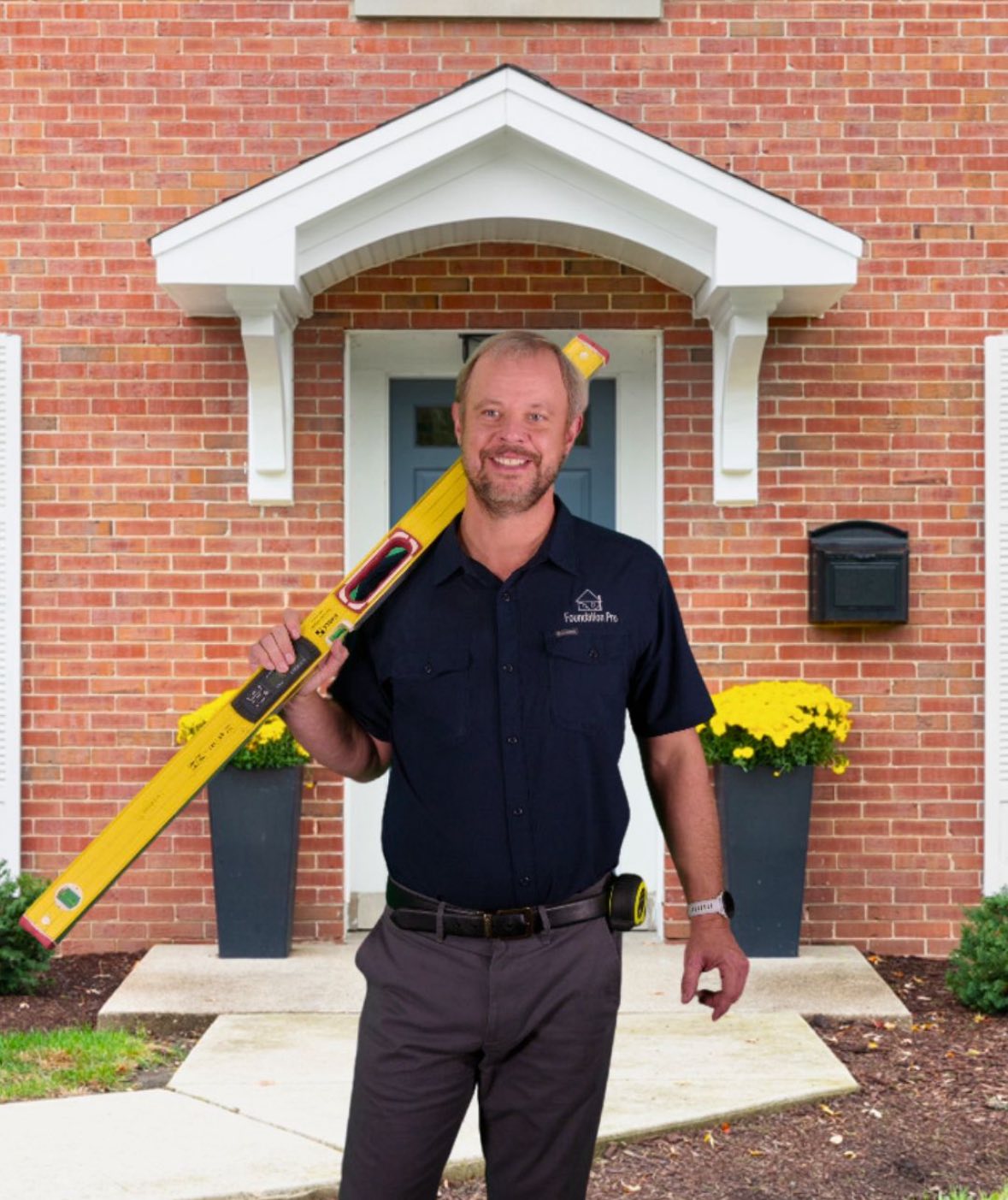
By Brent Stroud, Owner & Director of Foundation Pro
Brent Stroud is the Owner and Director of Foundation Pro, a full-service locally owned foundation repair and crawl space company serving Central Arkansas since 1996. With 28 years of industry experience, Brent is a certified Foundation Repair Specialist through the National Foundation Repair Association and maintains active memberships in the Basement Health Association, the Building Owners and Managers Association, and the Home Builders Association of Greater Little Rock.
Normal Settlement vs. Structural Foundation Issues
Foundation concerns are a common topic for homeowners, buyers, and real estate professionals across Arkansas. These issues often arise during inspections, appraisals, or routine property walk-throughs. However, it is important to understand that not every crack, shift, or cosmetic imperfection indicates serious structural damage.
Many times, what is being observed is minor settlement or seasonal movement. This is a natural and gradual process that occurs as soils expand, contract, and compact over time. It is especially common in regions like Central Arkansas where moisture levels can fluctuate throughout the year.
True structural foundation issues typically present with more pronounced warning signs, such as:
- Widening cracks in brick or concrete
- Uneven or sloping floors
- Sticking doors and windows
- Visible gaps forming around walls and openings.
Recognizing the difference between normal settlement and structural foundation issues is essential for protecting your investment. Early awareness and proper evaluation can help prevent minor concerns from developing into extensive and costly repairs.
Why Inspections Often Flag Foundation Concerns
Home inspectors frequently recommend further evaluation by a structural engineer or qualified foundation repair professional. While this can create uneasiness for buyers, it does not automatically mean a serious problem exists.
In many cases, flagged items are precautionary observations rather than confirmed defects. Based on Foundation Pro’s annual post-inspection consultations, a significant percentage of concerns ultimately prove to be non-structural or minor in nature. A professional evaluation is key before drawing conclusions.
In fact, many flagged items are precautionary observations rather than confirmed defects. Based on annual post-inspection consultations performed by Foundation Pro, a significant percentage of these concerns are ultimately determined to be non-structural or minor conditions rather than major foundation issues. This reinforces the importance of a thorough, professional evaluation before drawing conclusions about the severity of a home’s foundation condition.
Common Foundation Types in Arkansas
Most homes in Arkansas are built on one of two foundation systems:
Slab-on-Grade
A solid concrete slab poured directly on the ground.
Pier-and-Beam
Includes a crawl space where piers are set into the soil to support beams, floor joists, and the subfloor, typically enclosed by a perimeter foundation wall.
Basements exist but are less common in Central Arkansas. The type of foundation used often depends on soil conditions, lot characteristics, and location.
What’s Normal in New Homes?
Many newer homes in the region are constructed on slab-on-grade foundations, though the final foundation type often depends on the lot conditions, soil characteristics, and location of the property.
In homes built within the last two to three years, it is common to see:
- Hairline cracks in concrete or drywall
- Minor trim or caulk separation
- Screw pops
This is typically the result of natural material shrinkage as building materials naturally shrink, dry, and cure over time. This process, known as material shrinkage, is typically normal and not a sign of structural foundation movement.
When Sticking Doors Aren’t a Foundation Problem
Sticking doors are often assumed to be a sign of foundation trouble, but that is not always the case. A helpful way to evaluate the cause is to observe where the door is binding against the frame.
If the door sticks along the sides, it may simply be the result of improper installation, loose hinges, or normal wear over time.
Checking the handle and hinges for movement can help rule out minor hardware issues. In some scenarios, a door may also have difficulty latching if the alignment with the striker plate has shifted slightly.
However, if the door is sticking at the top or bottom, it could indicate that the frame has become out of square due to settlement, and it may be wise to have the home evaluated by a qualified foundation professional.
Seasonal Movement in Clay Soils
Central Arkansas is known for clay-rich soils. These soils expand during wet periods and contract during dry spells. As a result, homes may gently shift throughout the year without sustaining structural damage.
These natural moisture fluctuations can cause homes to gently move throughout the year without indicating true structural foundation damage. The foundation can experience slight, gradual shifts that may result in hairline drywall or brick cracks, minor door sticking, or subtle trim separation.
Professional Benchmarking Services, like those offered by Foundation Pro, document elevation changes over time. This data helps distinguish normal seasonal movement from patterns that may signal a developing foundation issue.
Homes are designed and constructed in accordance with modern building codes and proper engineering practices to tolerate a certain amount of natural foundation movement. Reinforcement such as rebar and wire mesh is intentionally used to control normal shrinkage cracks in concrete—typically about 1/16 to 1/8 inch wide—so they do not widen over time or affect structural performance.
Additionally, proper site preparation, soil compaction, drainage planning, and footing design are all part of standard building procedures that help foundations perform as intended under normal soil conditions. It is also not uncommon for homes to experience up to about a half inch of movement over time without any clearly visible signs, especially as soils naturally expand, contract, and settle due to seasonal moisture changes.
What Is Differential Foundation Movement?
Differential foundation movement occurs when one area of the home settles or shifts more than another, causing uneven shifting rather than as a single unit. This uneven movement often results from changes in soil moisture, poor drainage, expansive clay soils, plumbing leaks, or variations in soil bearing capacity beneath different portions of the foundation.
When this happens, homeowners may notice cosmetic or structural signs such as: uneven or cracked floors or drywall, gaps around doors and windows, doors that stick or will not latch properly, or cracks in brick veneer or wall coverings. Brick veneer cracks may appear vertical, horizontal, or in a stair-step pattern, and cracks wider than about ¼ inch generally warrant a closer evaluation by a qualified foundation professional, especially if the cracks are actively widening or accompanied by other signs of movement.
Some of the triggers of differential foundation movement can include expansive clay soils, poor drainage, plumbing leaks, improper grading, and tree root moisture extraction or trees planted too close to the home that cause the foundation to heave or settle unevenly. Additional contributing factors may include seasonal moisture fluctuations, gutter discharge near the foundation, broken underground utility lines, and inconsistent soil compaction beneath different areas of the structure.
In areas with clay-rich soils, like much of Arkansas, prolonged dry periods can cause soil shrinkage while heavy rainfall can lead to rapid expansion, creating uneven support across the foundation. Over time, these varying soil conditions can result in one section of the home moving differently than another, leading to stress on the structure and visible signs such as cracks in brick veneer, drywall separation, uneven floors, or doors and windows that begin to stick or misalign.
Modern Foundation Repair Solutions
Modern repair technology, including adjustable steel support piers for crawl spaces, structural foam for settling concrete slabs, and carbon fiber reinforcement for bowing walls, has made many foundation leveling and stabilization projects faster and more efficient than in the past. On many repair projects this type of work can be completed within one to three days.
For exterior wall stabilization in Arkansas, one of the most widely trusted repair methods is hydraulically driven steel pier pilings. These heavy-duty steel tubes are advanced deep into the ground until they reach stable, load-bearing soil or bedrock, allowing the structure’s weight to be transferred away from unstable surface soils to more reliable strata. This process, known as underpinning, provides precise lifting and long-term stabilization rather than a temporary patch. Many foundation repair contractors offer long-term or lifetime warranties with these systems, but it is important to carefully review the warranty details, as coverage can vary significantly from company to company. Ultimately, the quality of the completed repair and the value of any warranty depend heavily on the experience, integrity, and reputation of the company performing the work.
Prevention: The Most Important Foundation Strategy
Benjamin Franklin is often credited with the saying, “An ounce of prevention is worth a pound of cure.” When it comes to protecting a home’s foundation, prevention largely begins with properly managing drainage around the property and making improvements over time as needed. This is because water is typically the leading cause of most foundation problems. Moisture levels naturally fluctuate with the seasons, and when soil becomes overly wet it can soften or erode. Over time, the repeated cycle of wet and dry conditions can lead to gradual foundation movement. Improper drainage is one of the most common contributors to foundation concerns.
Drainage Improvements That Help Protect Your Home
Common drainage and waterproofing improvements may include:
- Install and maintain gutters. During a one-inch rainfall, approximately 1,250 gallons of water can fall on the roof of a 2,000-square-foot home. Without properly functioning gutters, much of that water is discharged directly next to the foundation.
- Add downspout extensions (often an inexpensive solution). Ideally, downspouts should direct rainwater at least six feet away from the foundation.
- Ensure proper grading around the home. If the ground is level or slopes toward the structure, water is directed back toward the foundation, increasing the risk of moisture intrusion. Proper grading should slope away from the foundation at a minimum of one inch per foot for at least six feet.
- Install French drains, which can be effective in redirecting surface and subsurface water from higher areas away from the foundation.
- Keep crawl spaces dry through proper ventilation and moisture control. A ground-covering vapor barrier can help address minor moisture issues, while more significant concerns—such as standing water or fungal growth—may require additional vapor barrier coverage, foundation drains, a sump pump, and a dehumidifier as part of a full crawl space encapsulation system.
Final Thoughts for Arkansas Homeowners and Buyers
Understanding the difference between normal settlement, seasonal soil movement, and true structural foundation issues is key to making informed decisions about your home in Arkansas.
Many cosmetic signs such as hairline cracks, minor door sticking, or small trim gaps are often the result of natural soil behavior, material shrinkage, or routine seasonal moisture changes rather than serious structural damage. However, consistent monitoring, proper drainage, and timely professional evaluations can help identify when a condition is simply normal movement versus when it may require corrective action.
By staying proactive, maintaining good water management around the property, and consulting experienced, reputable professionals when concerns arise, homeowners and buyers can protect their investment, reduce unnecessary worry, and ensure their foundation continues to perform as intended for many years to come.
For questions or professional evaluation, Brent Stroud and the team at Foundation Pro are committed to providing honest assessments and long-term solutions for Central Arkansas homeowners.